Wedding Invitation Template Lily Flower: Graphics & Print Templates
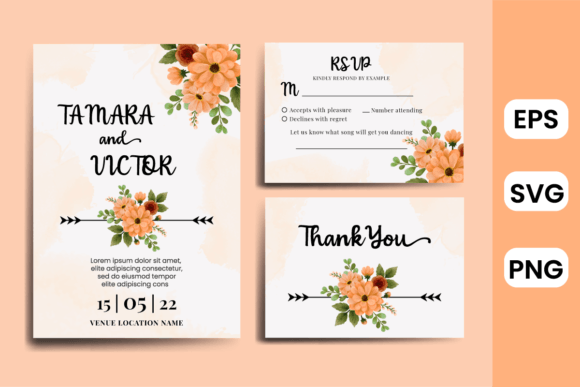
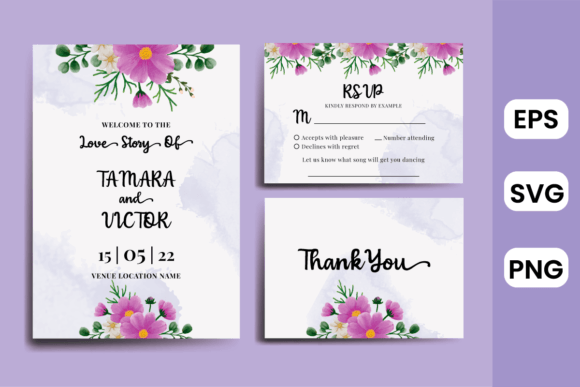
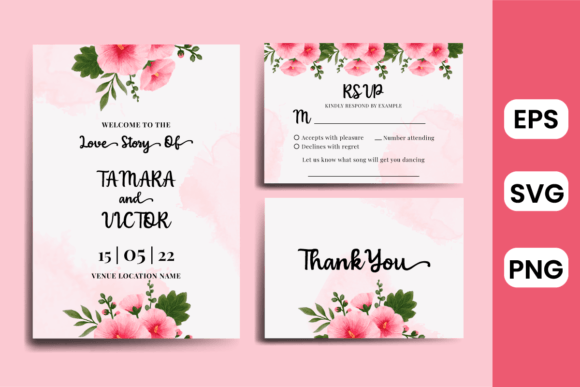
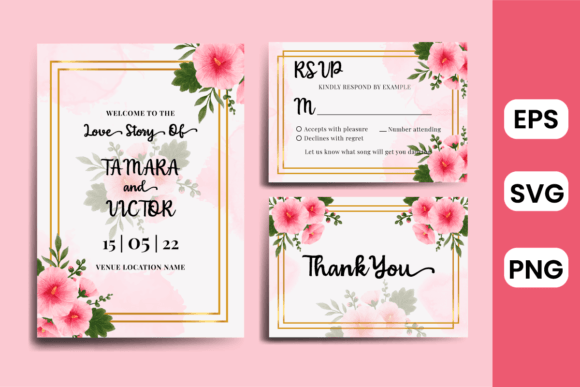
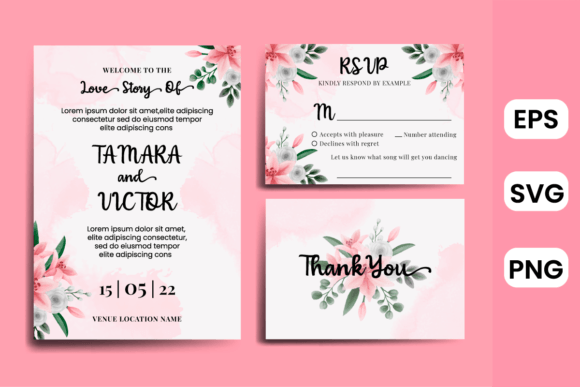
The Wedding Invitation Template Lily Flower is a visually striking graphic design asset that blends delicate watercolor lilies with elegant framing. Its soft, floral aesthetic creates an editorial mood that feels both romantic and refined, making it ideal for content niches centered around weddings, events, lifestyle, and creative entrepreneurship.
Editorial Mood and Visual Communication
This template exudes a feminine and artistic vibe, perfect for content that aims to evoke emotion and elegance. The lily flower motif adds a touch of sophistication, while the watercolor style keeps it approachable and modern. It naturally supports content focused on weddings, engagement parties, or event planning, but its versatility allows it to work across lifestyle, fashion, and even digital marketing visuals.
The design’s visual hierarchy is clear, with the lily flowers acting as a focal point that draws the eye. This makes it an excellent choice for blog graphics, Pinterest pins, and social media visuals where first impressions matter most.
Real Publishing Use Cases
As a blog designer and digital publisher, I’ve found that the Wedding Invitation Template Lily Flower can be used in multiple real-world publishing scenarios. It works well as a featured image for wedding-related blog posts, a Pinterest pin for engagement content, or an article header that sets the tone for a romantic or artistic piece.
It also serves as a strong website header or newsletter banner, helping to establish a cohesive brand identity. For downloadable resources like digital guides, worksheets, or printable invitations, this template offers a polished look that enhances the perceived value of the content.
Additionally, it can be used as a lead magnet or content upgrade, giving readers a beautiful visual to download and share. In affiliate marketing, it can be incorporated into product reviews, email campaigns, or social media ads to create a more engaging and professional appearance.
Supporting Content Performance
Using the Wedding Invitation Template Lily Flower can significantly improve content performance. Its clean layout and high-quality design help create a stronger first impression, which is crucial for keeping readers engaged and encouraging clicks.
The template’s visual hierarchy ensures that key elements—like text or branding—are easily readable and prominent. This clarity helps improve click-through rates and reader trust, especially when used in blog graphics, social media previews, or digital ads.
It also contributes to consistent branding across different platforms. Whether it's a blog post, a downloadable resource, or a social media graphic, the template maintains a unified aesthetic that strengthens brand identity and recognition.
Where It Works Best
This design asset shines in hero images, article thumbnails, and Pinterest pins, where visual appeal is key. It also works well as an editorial accent in blog layouts, adding a decorative yet professional touch to content pages.
For content upgrades like downloadable printables or digital guides, the Wedding Invitation Template Lily Flower provides a premium feel that aligns with the quality of the content itself. It’s also a great fit for newsletter headers, where a visually appealing design can encourage opens and engagement.
Where to Use It Carefully
While the template is beautiful, it may not be the best choice for small mobile thumbnails, where details can get lost. It also requires careful placement in text-heavy blog images, as the intricate design might distract from the main message.
In low-contrast backgrounds or busy layouts, the template could become difficult to read or blend in too much. For serious professional niches or corporate content, it may feel too decorative or playful. Websites with minimal visual systems should also use it sparingly to avoid overwhelming the design.
Publisher Notes and Practical Tips
Before using the Wedding Invitation Template Lily Flower in your projects, test it on both desktop and mobile screens to ensure it looks good at all sizes. Check how it appears as a thumbnail and preview it within a real blog layout to see how it interacts with other elements.
Test the template with headline text to ensure readability and contrast. Try it in black and white to see if it still holds up without color. Place it beside different font styles—serif, sans serif, script, handwritten, and display—to find the best pairing for your content.
Review the file size for web performance and compress images properly to maintain fast loading times. Always confirm the commercial license before using it on monetized websites, affiliate pages, or paid content products to avoid any legal issues.
Conclusion
The Wedding Invitation Template Lily Flower is a versatile graphic design asset that brings beauty and polish to a wide range of publishing needs. Whether you're creating blog graphics, social media visuals, or downloadable resources, this template can elevate your content and support your brand’s visual identity.
As a digital publisher, I recommend experimenting with it in different contexts to see how it enhances your editorial design and content marketing efforts. With the right application, it can become a valuable addition to your design assets and a powerful tool for improving website presentation and reader engagement.